



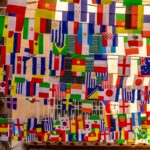
We’re all so used to seeing flags nowadays, but do you ever stop to think - I wonder how they first came about?
Well, flags have been used for many centuries as symbols of identity, loyalty, and patriotism. Long used to symbolise and decorate societies around the world, flags are essentially banners that can be recognised and understood no matter what language is spoken. From the earliest days of civilization, flags have been used in a variety of ways to designate various clans, groups, states or nations. From medieval standards to modern day national flags, the use of flags has had a long and interesting history. Here at The Flag Shop, you may not be altogether shocked to hear that we love all things Flag….So let’s delve a little deeper…(Fun fact #1 : People with an interest in flags, like us, should know that the study of them is called 'vexillology', which comes from the Latin word “vexillium” meaning ‘flag’ or ‘banner.’)
The Spoils of War...
The first recorded use of flags dates back to Ancient China and Egypt during medieval times. These were known as 'standards', and were used by armies as symbols of rank and power. Standards were also used by royalty as personal symbols, with colours representing different aspects such as loyalty or courage. War represented the most common use of flags in this long-gone era, with massed hordes proudly bearing arms under their chosen banner or flag. Indeed, one army defeating another would result in them claiming the vanquished’s banner or flag as proof of victory, a bit like an early sports trophy, if you like…
(Fun fact #2 : The universally-accepted waving of a white flag to signify surrender in battle has an unclear origin, but we favour this theory - It was likely borne out of convenience in the ancient world. Artificial colours were still centuries away, so white clothes were always handy—not to mention highly visible against most natural backgrounds. Also plain white would provided a clear contrast to the colourful banners that armies often carried into battle, hence notifying a drastic change of intent)
Political organisations of the era also devised their own ways of using flags in society. This marked a shift in how flags were viewed, no longer restricted to just battle but as a broader form of identification. As the need for recognition became more pressing, it extended to boats at sea and ultimately morphed into a necessity. Even though they often had distinguishing features, most vessels looked incredibly similar when seen from a distance so only someone with advanced knowledge could distinguish friend from foe. This is why laws were put in place dictating that ships needed to clearly display their country's flag. This led to various flag meanings particular for use on the ocean becoming established.
Pre-Google Maps...
In addition, flags are of course also used to represent geographic locations such as cities, states, and countries. Historically, these flags served a purpose on battlefields but they have since been re-purposed for travellers who may not have access to maps. With the help of recognisable country flags, travellers can gain an understanding of where they are even when accurate maps aren't available. Yes, this does still happen sometimes, not everyone has Sat Nav!
Much more recently, customised flags have become a popular way for various groups to show support or promote their identity. Making your own flag now is definitely a little simpler than it used to be in the Middle Ages though, that’s for sure! You can design a personalised flag with the help of our online flag maker. This enables you to upload an existing image or make your own utilising the designer tools. Our selection of flags allows you to express your beliefs and passions in a meaningful way, which is why these symbols remain important in our current environment. If you have something that is particularly meaningful to you, feel free to browse our assortment of flags and design your own at The Flag Shop.
Timeless...
The history of flags is as diverse as the flags themselves, with each nation having its own unique story. Ancient flags were often made from cloth, wood, or metal, while modern flags tend to be nylon or polyester. Historically, flags have been used to mark battles, to rally people together, and to represent a nation’s values and culture. Today, flags are used in countless ways, from sporting events, royal coronations and funerals, music festivals to political rallies. Whatever the cause, flags have always been and will remain a powerful symbol of unity and pride, so in that respect they are timeless....One of the many reasons we love them!
So whether you're looking for a flag for a cause you're passionate about, or to represent your own identity, The Flag Shop has the perfect flag for you.
10 of our Favourite Flags (In no particular order, honestly!)
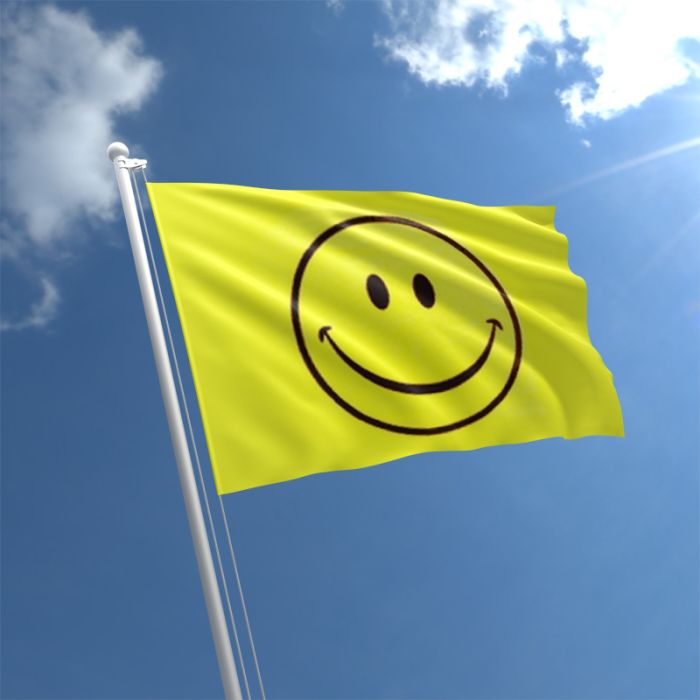
- Smiley face flag - A festival and party staple, instantly triggers sensations of fun..
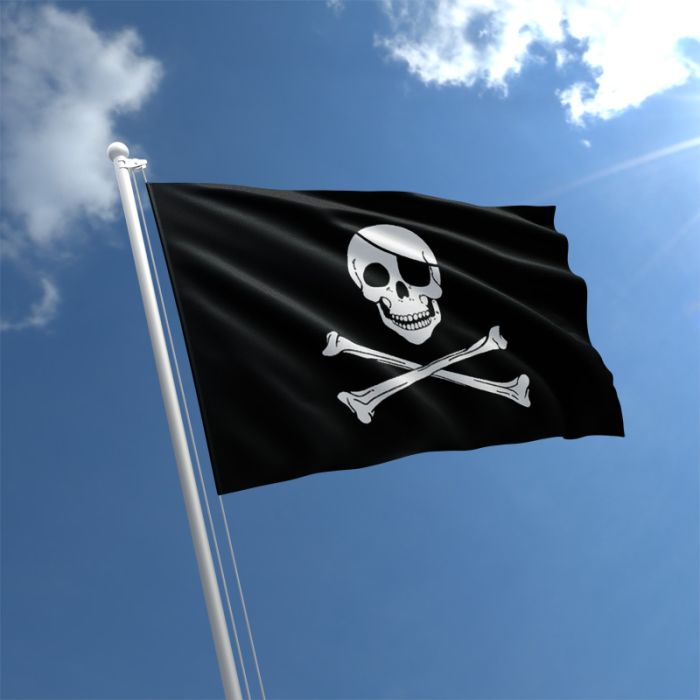
- Skull & Crossbones -A timeless classic with its playful sense of threat and danger…
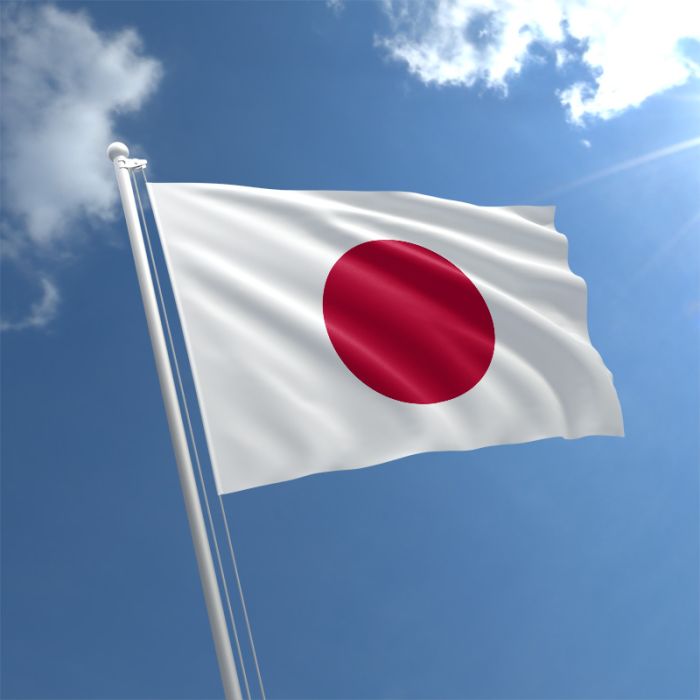
- Japan National flag - Stark, cool, minimal - What’s not to like with this Rising Sun?...
- Scotland national flag - You can almost feel and see the fervent pride & patriotism….
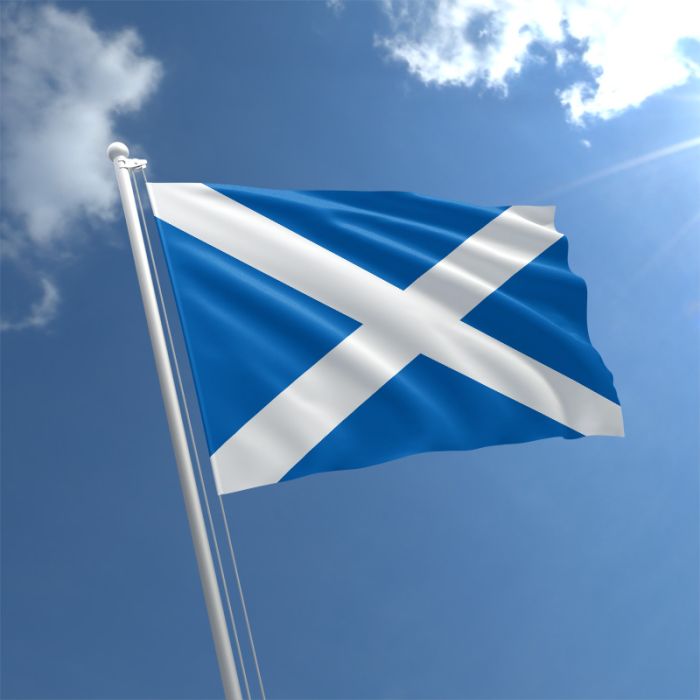
- USA national flag - The Stars & Stripes meshes so well with its nation’s proud pizazz…
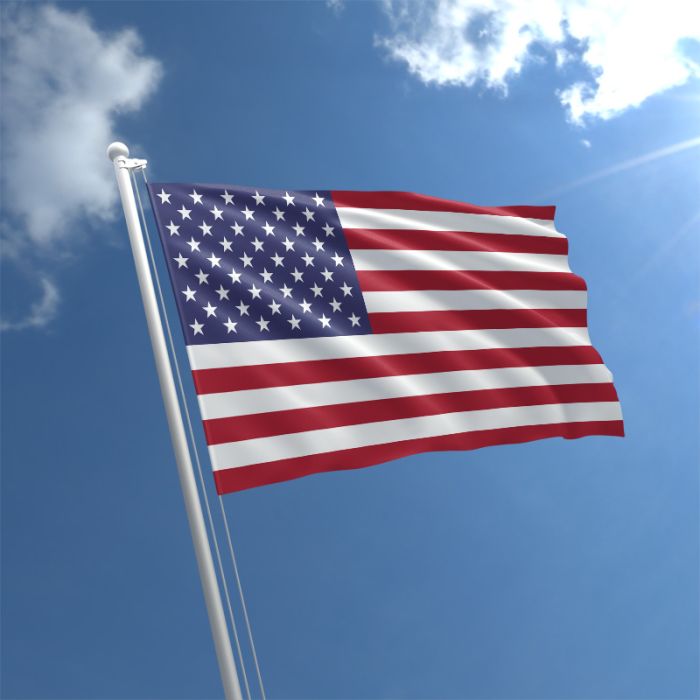
- Remembrance Day ‘Lest We Forget’ - Elegant, poignant, powerful and utterly essential.
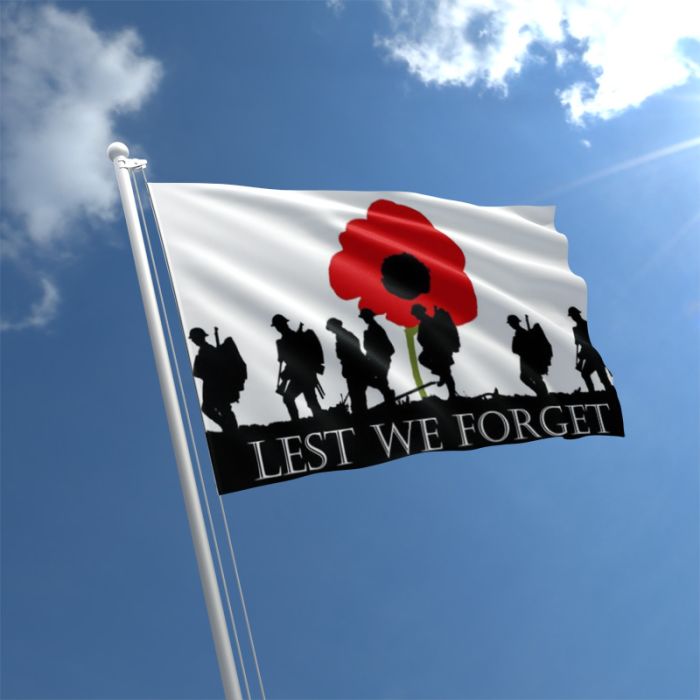
- Wales national flag - Proud and vivid, hear the mighty red dragon roar!

- Rainbow Pride - Surely the most valued modern addition, multiple inclusivity design genius…
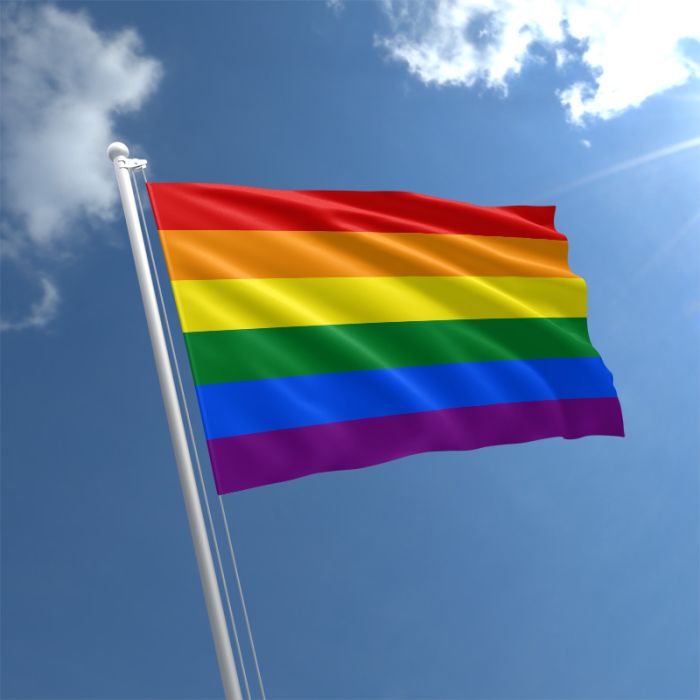
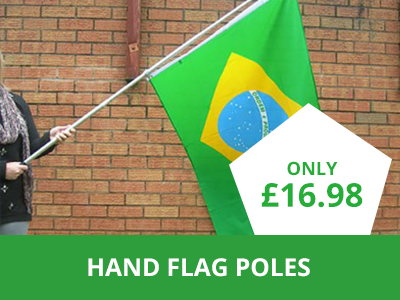
- Brazil national flag - Its vibrancy perfectly encapsulates the colourful samba nation’s identity…

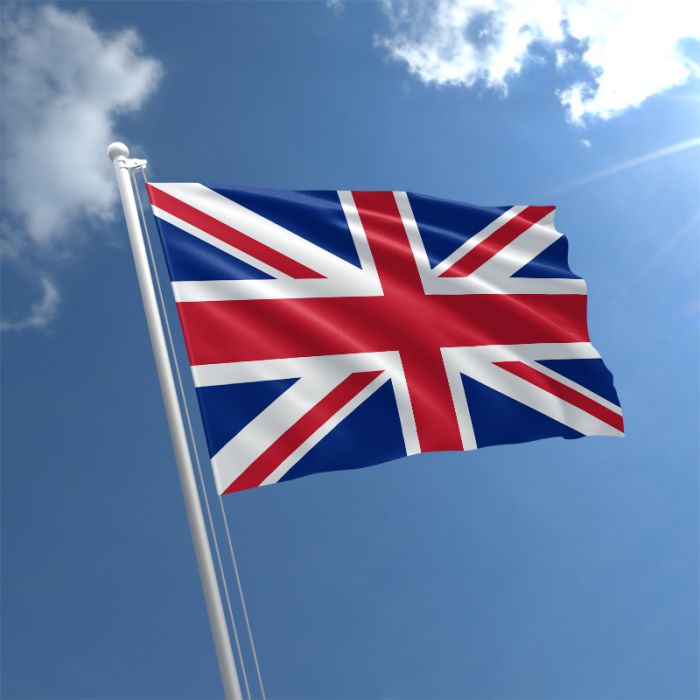
- Union Jack - Iconic, striking & original…A storied history in the shape of a flag.