








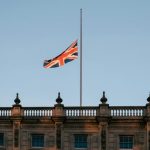
Have you ever noticed a flag billowing in the breeze, only to see it suddenly dip ominously to half-mast? This poignant gesture carries a profound weight of history and sentiment, marking moments of mourning and reflection across cultures. But what does it truly mean?
As part of our series of Classic Flag Customs blogs, we’ll delve into the history, guidelines and etiquette surrounding flying flags at half-mast, whilst shining a Flag Shop-spotlight on the origins of this meaningful gesture while exploring famous examples that have come to define moments in time. Whether you're a flag aficionado or simply curious about traditions that shape our world, prepare for an enlightening journey!
Customs & Protocols
The practice of flying a flag at half-mast is a long-standing tradition that has been observed by many countries around the world. It is a symbolic gesture that signifies mourning and is typically done to honour the death of an important figure or during times of national tragedy.
There are also specific protocols that dictate how the flag should be positioned when flying at half-mast. In most cases, it should be lowered to one-third of its full height with enough space between itself and any other flags on display. When multiple flags are present, they should all be lowered together in unison.
It's worth noting that there may also be different customs surrounding flying flags at half-mast within different groups or societies outside of official protocol. For instance, some religious organisations may have their own guidelines for when and how to fly flags at half-mast during times of mourning.
Origins and Significance of Flying the Flag at Half-Mast
The tradition of flying the flag at half-mast has a long and significant history. The origins of this custom can be traced back to naval traditions in ancient Greece and Rome. During battles, ships would lower their flags to indicate defeat or surrender. This practice was later adopted by land armies during times of war as a way to honour fallen soldiers. The lowered flag became associated with grief and loss, eventually leading to its use for national mourning.
In modern times, the use of half-mast has extended beyond military contexts to include honouring other public figures such as political leaders or prominent citizens who have passed away. It is also used for tragic events such as natural disasters or terrorist attacks.
Some countries have designated days where flags are automatically flown at half-mast, such as Remembrance Day here in the UK. In other cases, it may be done on specific dates chosen by government officials in response to particular events.
Proper Etiquette for Half-Mast Flag Display
Flying the flag at half-mast is a solemn and respectful gesture and there is absolutely a correct way to do it!
When placing the flag at half-mast, it should first be raised all the way to the top of the pole before being lowered halfway down. This represents lowering it from its position of prominence as a sign of mourning. The flag should also never touch anything below it while being raised or lowered.
In terms of timing, flags should generally remain at half-mast from sunrise until sunset. However, if circumstances call for an extended period of mourning, such as after a national disaster or tragedy, then they may remain at half-mast for an appropriate amount of time determined by authorities.
Ensure that your flag is properly maintained; frayed or tattered flags should be replaced. A worn flag detracts from the respectful tone of this poignant gesture!
Iconic Half-Mast Flag Moments in History
One of the earliest recorded instances of flying a flag at half-mast dates back to 1612 in England during the funeral procession of Queen Anne. It was believed that lowering the flag showed respect to the deceased and marked their passing. Since then, this tradition has been followed by many countries during times of national mourning or in honour of fallen leaders.
In America, perhaps one of the most iconic moments where flags were flown at half-mast was after the tragic events on September 11th, 2001. As a symbol of unity and solidarity, American flags were lowered to half-mast across the country in appreciation of those who lost their lives in the terrorist attacks.
Similarly, in South Africa, Nelson Mandela's death in 2013 prompted an outpouring of grief and commemoration from people all over the world. The South African flag was flown at half-mast as a sign of respect for this revered leader who had played such a pivotal role in ending apartheid in his country.
The practice of flying flags at half-mast is not limited to national events; it can also signify personal loss or tragedy. In Australia, ANZAC Day (a national day commemorating soldiers who died fighting for their country) sees flags flown at half-mast until noon before being raised again as a symbol that courageously fought battles are now won.
Another notable moment where flags were flown at half-mast was during Princess Diana's funeral in 1997. In a touching tribute to the beloved princess, Union Jack flags and even personal customised flags across the United Kingdom and around the world were lowered to half-mast as a sign of respect for her life and legacy.
In times of great tragedy or loss, the act of lowering a flag to half-mast serves as a powerful reminder of how individuals and communities can come together in moments of sorrow.